

Fire Protection Engineering
At Complete Fire Design (CFD), we deliver fully integrated fire protection engineering solutions that ensure buildings and facilities across Perth and Western Australia meet the highest standards of life safety and compliance. Our systems are developed using methods recognised throughout the world for their reliability, drawing on advanced fire science, fire dynamics, and engineering principles. From initial design through to certification, our engineers provide tailored system designs and technical oversight to safeguard human life, property, and business continuity.

-
We design and document water-based fire suppression systems, including hydrants, fire sprinklers, and hose reels, to protect your facility from the onset of fire events. Our layouts are developed using proven engineering principles that ensure effective coverage and reliability. Every system is supported by detailed hydraulic calculations, schematics, and drawings that meet the Building Code of Australia (BCA) and relevant Australian Standards. Whether for new construction or retrofit projects, our designs deliver optimal coverage, water flow, and pressure performance.
-
Early fire detection saves lives. Our dry fire system designs encompass fire detections, occupant warning systems and EWIS (Emergency Warning and Intercommunication Systems). We integrate advanced control technologies for advanced occupant warning, informing fire brigades and controlling active and passive fire systems (activating sprinkler systems, gas suppression systems, smoke hazard management systems, and fire doors, etc). Each system is configured to support life safety by enabling rapid detection and evacuation during fire events, protecting both people and property.
-
Passive protection is fundamental to containment. We specify and detail elements such as fire-rated walls, doors, floors, and penetration seals to prevent the spread of fire and smoke. These systems are strategically designed in collaboration with stakeholders to maintain compartmentation and tenability throughout the building.
-
CFD can assess, redesign, and modernise existing fire protection systems to align with current standards. Whether you’re expanding an industrial facility or upgrading an outdated network, our focus on risk control and resilience ensures your systems reduce exposure to fire hazards while maintaining operational continuity. Every project is completed to meet stakeholder expectations and improve fire protection methods where needed.
-
Our engineers independently verify that installed systems perform exactly as designed. We coordinate on-site testing, witness commissioning, and issue Certificates of Compliance upon successful completion. From water flow verification to fire alarm functionality, we ensure no detail is overlooked and every step is designed to ensure compliance with Australian Standards and regulatory authorities.
-
As one of WA’s few consultancies offering both fire safety engineering and fire protection engineering in-house, CFD provides unified strategies that bridge modelling and physical system design. This integration ensures each component, from fire suppression systems to detection, supports a consistent, fully compliant fire protection plan.
This performance-based design approach allows active and passive systems to complement each other for maximum safety. Our integrated analysis ensures all documentation, modelling, and systems are coordinated to deliver efficient, compliant outcomes.
What We Deliver (Scope of Services)
Our fire protection engineering services combine technical precision with practical experience, ensuring every system performs as intended and aligns with both regulatory and stakeholder requirements. Each project we deliver is grounded in scientific and engineering principles that support both innovation and reliability.

Our Process
Every fire protection project follows a transparent, methodical process that ensures accuracy, efficiency, and compliance from concept to certification.
-
Provide your drawings, specifications, and objectives so our team can assess your project requirements.
-
We evaluate your submitted information, identify applicable codes and standards, and prepare a tailored proposal outlining our scope of work.
-
CFD prepares comprehensive hydraulic calculations, layout drawings, and system schematics that form part of your construction documentation.
-
Documentation is submitted to relevant authorities such as building surveyors, local councils, fire brigades and/or government departments for review and approval.
-
Once designs are approved, we assist clients or contractors during the tender process to ensure all documentation is clear and technically sound.
-
During installation, CFD provides ongoing reviews and inspections to confirm that all systems align with the design intent and compliance standards.
-
We witness and document system testing to verify that every fire suppression system and detection network operates as intended.
-
Once the system passes all verifications, we issue a Certificate of Compliance, forming part of the Certificate of Construction Compliance (CCC).

Our Engineering Approach
We apply science and engineering principles to every phase of design, applying practical knowledge of fire dynamics, fire suppression, and control systems to reduce the risk of damage, loss, or injury. Our fire protection engineering practice is centred on protecting people and assets through performance, reliability, and robust design.
This approach combines academic insight with decades of professional experience, ensuring every project we work on meets compliance benchmarks while upholding the highest life safety standards.
Codes & Standards We Work To
All of our designs are completed in line with nationally and internationally recognised standards to ensure reliability and full compliance. These include:
Building Code of Australia (BCA)
Australian Standards (AS 2118, AS 1670, AS 2419, AS 1851, etc.)
FM Global/Factory Mutual Standards and other insurer requirements
International Standards such as NFPA, British Standards, etc.
Dangerous Goods storage and handling standards
Department of Health & WA Country Health Service (WACHS) standards
Mine Operator Standards (FMG, Rio Tinto, BHP, Roy Hill, etc.)
By aligning every design with these frameworks, we ensure approval certainty and long-term system performance for our clients while considering environmental impact and the built environment around each facility
Sectors We Support
We provide fire protection engineering services across a diverse range of industries and facility types, from large-scale infrastructure to local developments:
Government Infrastructure: civic and administrative buildings
Healthcare: hospitals, aged-care facilities, and medical centres focused on life safety
Education: schools, universities, and technical institutions
Infrastructure: airports, ports, and logistics hubs
Mining & Industrial: processing plants, refineries, and manufacturing
Retail & Commercial: shopping centres, offices, and multi-use spaces
Public Buildings: theatres, auditoriums, and convention centres
Owner Operators: warehouses, factories, and managed facilities focused on long-term fire safety
Case Studies
Each project reflects CFD’s ability to design reliable, compliant fire protection systems that perform in real-world conditions.

Roy Hill
Challenge: Complete Fire Design was engaged to assess the fire safety systems for the Roy Hill Iron Ore Remote Operations Centre, ensuring compliance with building codes and addressing potential non-compliance issues in the proposed design.
Solution: A Fire Safety Engineering Assessment was conducted to identify and rectify any design issues. Performance-based approaches were adopted to meet building code requirements, providing cost savings and increased design flexibility.
Outcome: The fire protection systems implemented not only ensured asset protection and occupant safety but also supported business continuity, minimizing disruption in the event of a fire.
Iron Ore
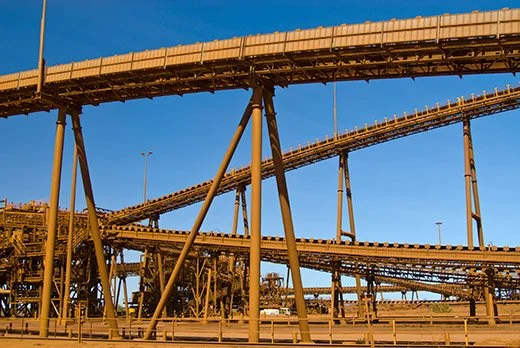
Challenge: Complete Fire Design was tasked with addressing non-compliance in the fire protection system at an Iron Ore processing facility, where the conveyor belts lacked the required automatic fire sprinkler or deluge protection as per FM Global Property Loss Prevention Data Sheets.
Solution: Complete Fire Design designed a compliant deluge system to convert the partially installed sprinkler system into one that met FM Global Requirements. The scope included preparing fabrication sheets, assisting with procurement, and overseeing construction and commissioning.
Outcome: The conveyor fire protection system was fully upgraded to meet compliance standards, ensuring safety and risk reduction for the facility.

What We Need to Quote
Providing detailed information from the start helps us prepare an accurate and timely proposal.
Please include:
Outline of your project goals and required fire protection systems.
Architectural and general arrangement plans and relevant specifications.
Any existing compliance or building surveyor reports.
Current fire system drawings (if applicable).
Site details such as building occupancy, height, and available water supply.

Why Choose CFD?
Integrated Expertise
CFD unites fire safety engineering and fire protection system design within a single consultancy, applying both engineering principles and fire science to deliver consistent, coordinated results.
Compliance Confidence
We are trusted by government bodies, building surveyors, and approval authorities to deliver designs that meet every requirement the first time, ensuring reliability, sustainability, and compliance.
Long-Term Reliability
Clients across Western Australia rely on CFD for ongoing projects, system upgrades, and compliance support. Our commitment to quality, ongoing training, and results makes us a long-term partner in fire protection, ensuring you never have to worry about workplace fire hazards again.
Frequently Asked Questions About Fire Protection Engineering
-
Yes. Our engineers are experienced in designing and certifying both wet and dry fire protection systems, including hydrants and hose reels, fire sprinkler systems, gas suppression systems, fire alarm and detection systems, and extinguishers.
-
Absolutely. We frequently assess and modernise outdated fire protection networks to meet current codes, insurer requirements, and operational needs.
-
Yes. We provide Certificates of Compliance once systems have been tested, verified, and approved.
-
Our team collaborates with building owners and developers to ensure smooth delivery and performance-based design integration.
-
Yes. Our services extend across the entire state, including remote and regional locations.
-
Ideally, as early as possible in the construction or planning process. Early engagement ensures seamless coordination between fire protection systems, architecture, and structural design.
This performance-based design approach allows active and passive systems to complement each other for maximum safety. Our integrated analysis ensures all documentation, modelling, and systems are coordinated to deliver efficient, compliant outcomes.
Ready to Protect Your Project?
Ensure your fire protection systems are designed, tested, and certified by Western Australia’s most trusted specialists in protection engineering. Request a proposal today to take the next step toward complete compliance and peace of mind.
Our designs are built to protect people, property, and ensure compliance while maintaining the highest standards of fire safety and life safety across every project.